
We Don’t Have to Live Like This: Conversations with Sarah Thorpe Scott
A podcast for those who want to work, lead, and live better.
Each episode, I sit down with a global expert in their field, and we do what I love most: we pull things apart, question the default, and look for genuinely better ways forward. From rethinking how we lead, to navigating adult parent-child relationships, to questioning the productivity culture we've all quietly accepted, this is the show I wish had existed when I was figuring a lot of this out.
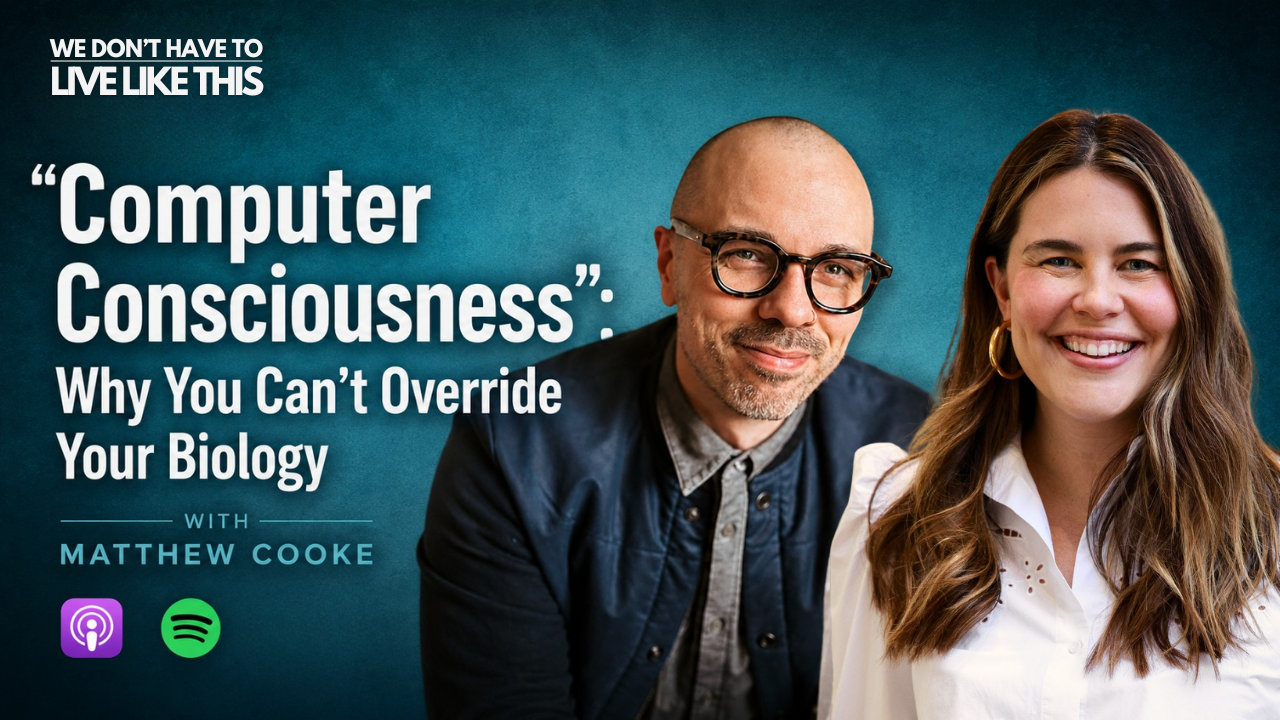
Episode 1: Why you can’t override your biology, with Matthew cooke
Matthew Cooke is a nervous system expert who coaches senior leaders to find sustainable success by working with their physiology.
In this episode, we explore why so many high-performers live in a state of "Functional Freeze," going through the motions of leadership while totally disconnected from their physical selves, and how the science of the "Window of Tolerance" can bring your nervous system back to a responsive state.
Matthew argues that the future of work depends on "nervous system literacy," teaching us how to balance "directed attention" with necessary states of rest and creativity.
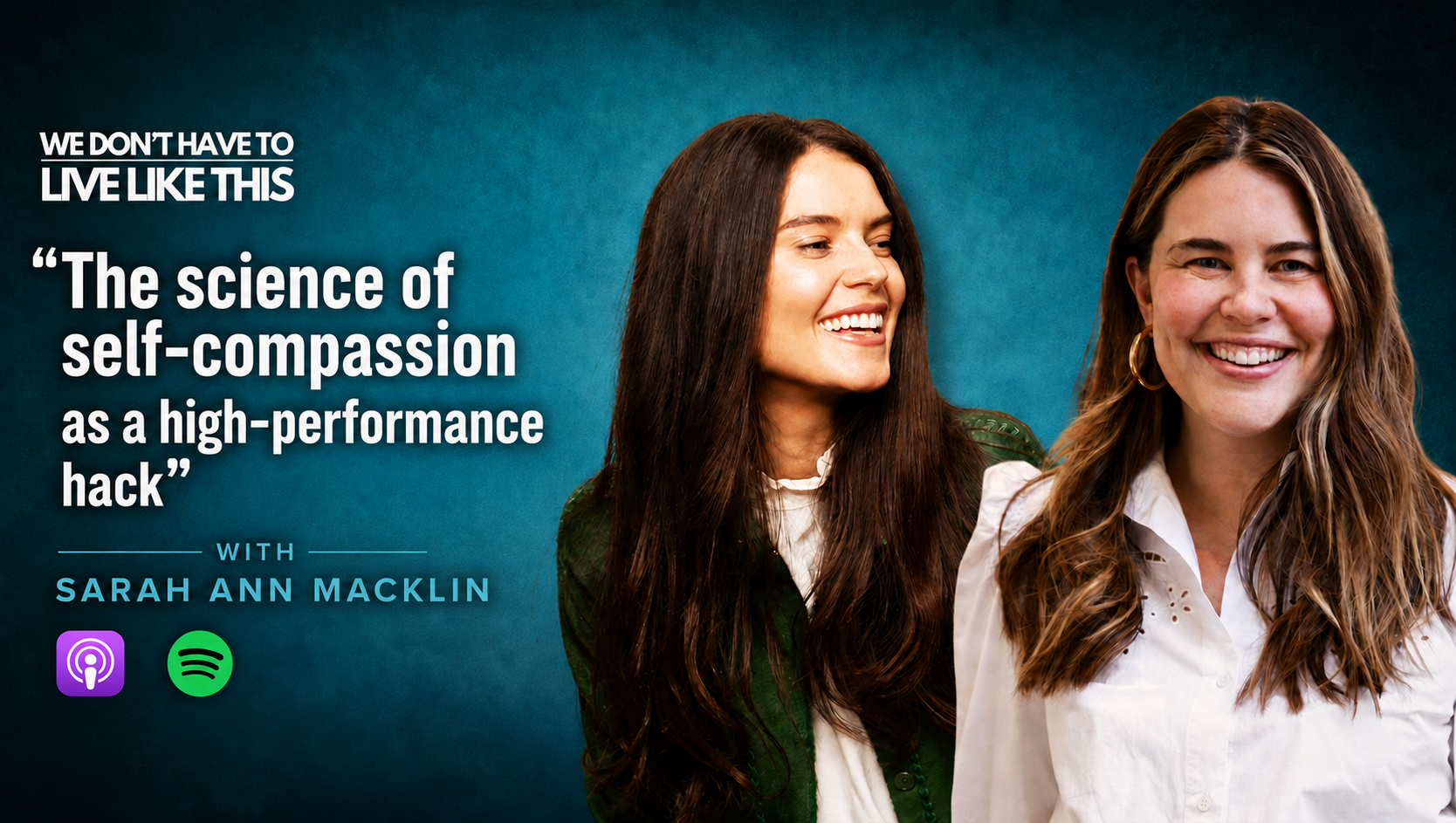
Episode 2: The Science of Self-Compassion, with Sarah Ann Macklin
Have you ever pushed yourself harder, done all the "right" things, and still felt worse? Sarah Ann Macklin is a model turned nutritionist, author of Healthy Shouldn't Be This Hard (Penguin Random House), and host of the acclaimed Live Well Be Well podcast, one of the UK's top health shows dedicated to demystifying wellbeing with compassion and evidence-backed insight.
We explore why self-compassion is not a soft, feel-good concept but a science-backed performance and leadership tool, and how the relentless self-criticism most of us carry is quietly driving inflammation, poor metabolic function, and burnout. Sarah Ann also unpacks the fascinating research of Dr. Ellen Langer, whose hotel maid study showed that simply changing your perception of what you are doing can change your physiology.
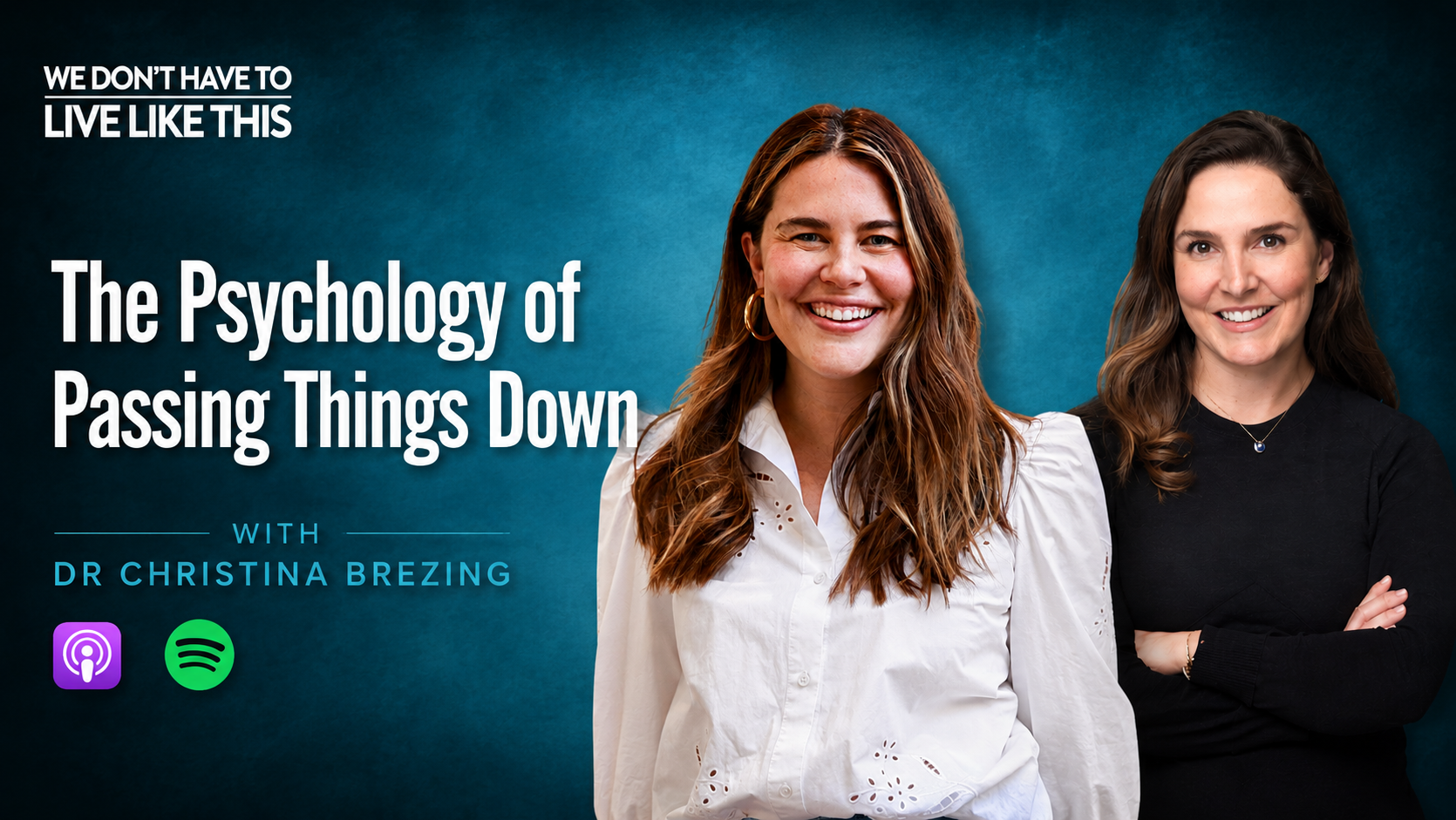
Episode 3: The Psychology of Passing Things Down, with Dr. Christina Brezing
Do you ever wonder why you handle money, conflict, or stress exactly like your parents, even when you swore you wouldn't? Dr. Christina Brezing is a psychiatrist and researcher at Columbia University who has spent her career studying what drives behavior and how patterns get passed on.
In this episode, we explore the invisible forces shaping our families, from genetic predispositions (epigenetics) to the stories we tell and the secrets we keep.
We dive into the critical difference between explicit communication (what we say we value) and implicit communication (what our children actually absorb). Dr. Brezing explains why admitting "I don't know" is often a stronger leadership move than faking certainty, and reframes conflict not as a failure, but as a necessary engine for true connection.
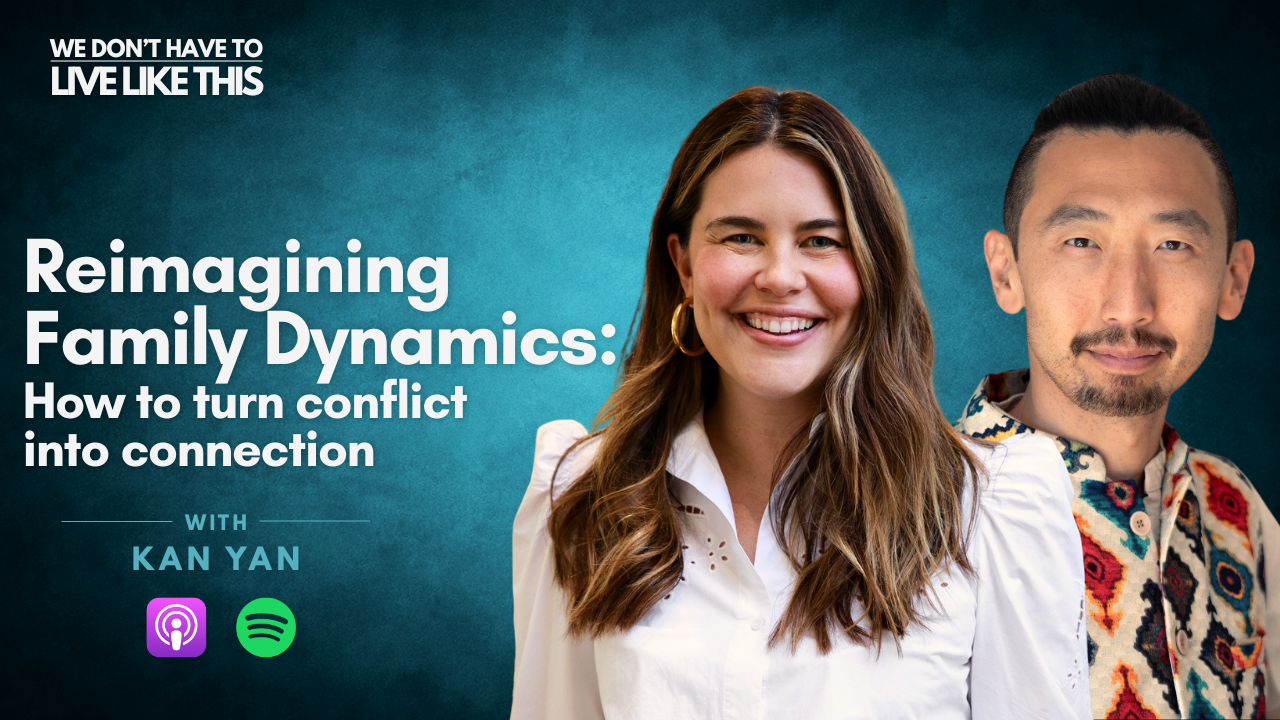
Episode 4: Reimagining Family Dynamics, with Kan Yan
Do you feel like you slip back into childhood dynamics the moment you visit your parents? Kan Yan is the founder of Parents Reimagined, a platform helping people transform adult parent-child relationships, something even high-performing adults struggle with.
To help us make sense of these dynamics, Kan shares his personal journey of healing a difficult relationship with his father and offers a roadmap for shifting from a hierarchical "Parent-Child" dynamic to a balanced "Adult-Adult" connection.
Kan brings a huge breadth of knowledge to the show, leaving you with the building blocks to create deeper connections with your parents and, in turn, your own children.
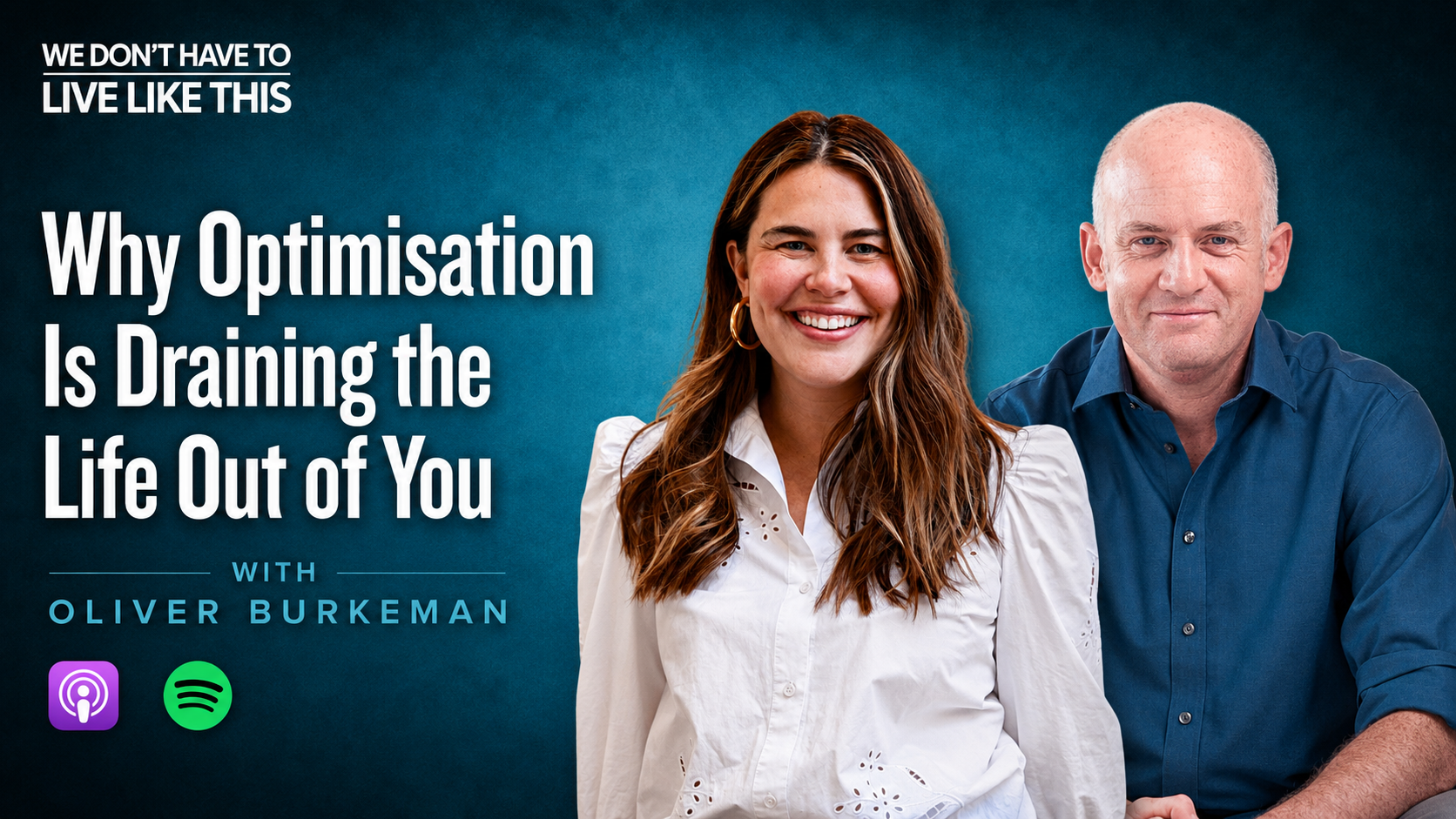
Episode 5: Why Optimisation is Draining the Life Out of You, with Oliver Burkeman
Are you pushing yourself to stay on top of everything—yet feeling as though the ‘aliveness’ has been quietly optimised out of your life?
In this episode, we welcome Oliver Burkeman, bestselling author of Four Thousand Weeks and Meditations for Mortals and former Guardian columnist on productivity and living well. Oliver reflects on his decade-long journey from cynicism to sincerity, sharing how his search for the perfect system ultimately revealed a deeper truth: the effort to conquer our limits is fundamentally at odds with reality.
We explore the pervasive urge to “clench”—a physical and psychological bracing against life—and how this habit pulls us away from the truth of our finite time. Oliver argues that embracing our limitations is not a failure, but a powerful gateway to greater freedom. Challenging the modern obsession with mastering time, he offers a more humane perspective on living well.
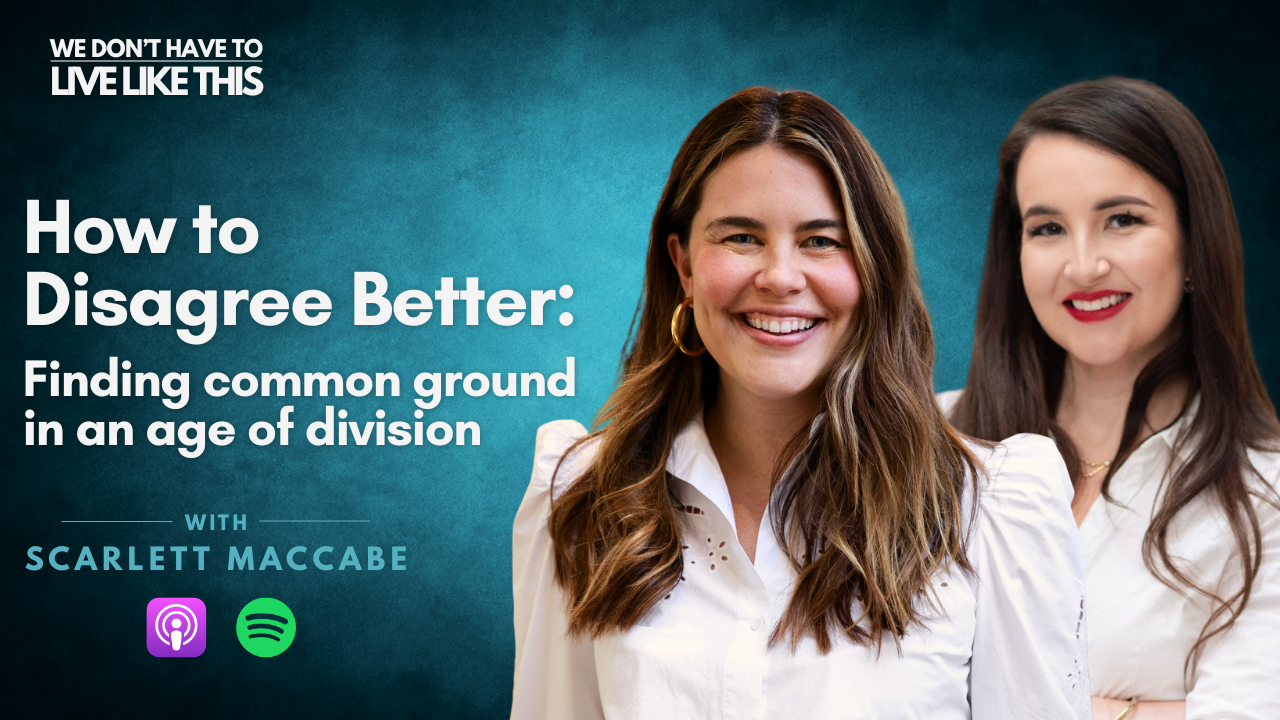
Episode 6: How to Disagree Better, with Scarlett McCabe
Are you avoiding difficult conversations at work or at home and finding you pay the price for it down the line? Scarlett McCabe is the co-founder and CEO of Debate Mate Training, an organisation that has spent 15 years teaching young people and leaders how to think critically, communicate clearly, and disagree productively.
In this conversation, Scarlett makes the case that our collective ability to disagree well has collapsed, and that the cost shows up everywhere, from quiet quitting and disengagement to toxic conflict and poor decision-making. She traces her own We Don't Have to Live Like This moment to an early investor meeting where she lost her cool, matched the energy of a combative room, and left feeling like she had given away the win. That moment became the foundation of everything she now teaches.
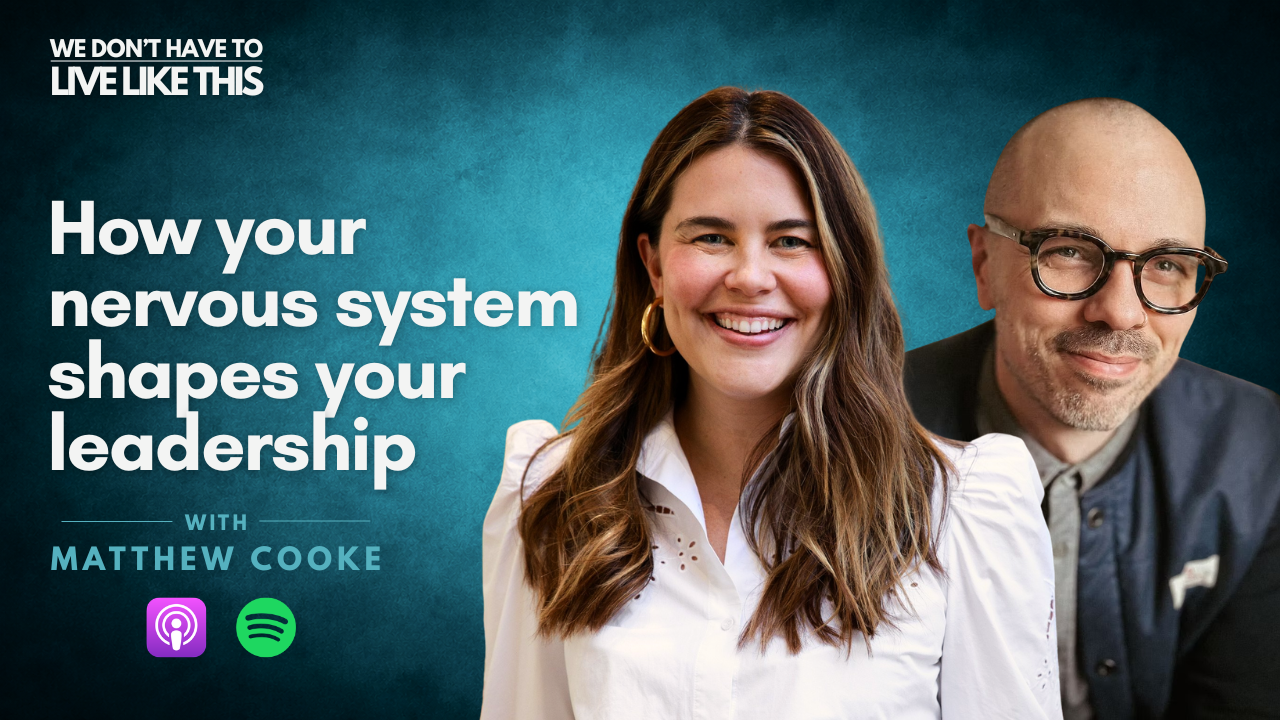
Episode 7: How The Nervous System Shapes Teams & Leadership, with Matthew Cooke
Have you ever noticed that the same conflict keeps playing out in your team, no matter how many times you try to resolve it? Matthew Cooke is a nervous system expert and founder of Body-Based Breakthrough (B3), a somatic coaching programme that teaches leaders to work with their physiology rather than against it.
In this second conversation with Matthew, we go deeper into what is actually happening in our bodies during conflict — and what we can do about it. Matthew breaks down what fight, flight, and freeze really look like inside leadership teams and family enterprises, from the compulsive need to be right in a meeting, to over-intellectualising as a form of avoidance, to someone's brain simply going offline mid-conversation.