Charles Duhigg on Super Communicators
A short guide to Charles Duhigg’s five steps for becoming a better communicator at work, including reading the room, listening well and building lasting connections.
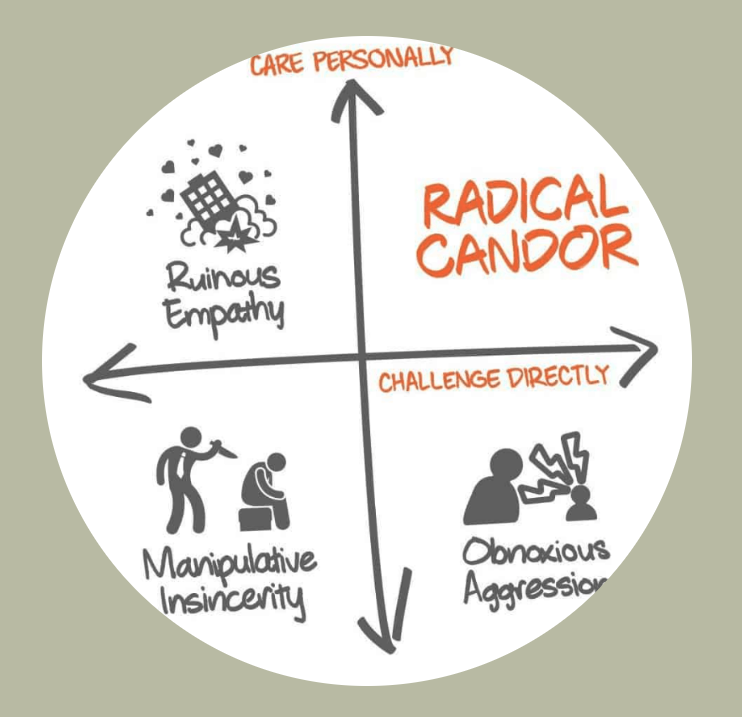
Radical Candor – Kim Scott's TED talk on how to give feedback that's both kind and direct
If you find giving feedback to your team difficult, Kim Scott’s TED Talk on Radical Candor is well worth a listen. Sarah shares why she recommends it to clients as they grow their leadership skills and build stronger teams.

Laying the Foundations for Generational Transition
Generational transitions in family enterprise rarely fail because of a lack of technical skills. The harder work is often relational: having honest conversations about readiness, expectations and what is actually being handed over.
Why the Nervous System Matters in Leadership
Good leadership isn't just about what we do or how we think. Our biology matters too. Understanding the nervous system can help leaders make better decisions, navigate pressure and show up as the leaders they want to be.

Start With Yourself — The Money Chapter Every Woman Should Read
Sarah shares her reflections on Emma Grede’s Money Chapter and why women need to become more comfortable with money, wealth and the power that comes with it.
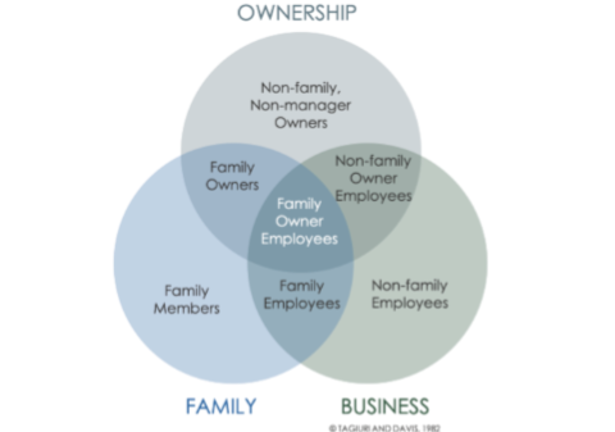
The Three-Circle Model
A practical introduction to the Three-Circle Model and how it can help families and their advisors understand different perspectives, navigate changing roles and strengthen family enterprise governance.

Quarterly Review Tool
We’ve wrapped Q3. If you haven’t had a chance to pause and assess how it went, this quarterly review tool is a simple way to reflect on what worked, what you’d do differently and what you want to carry forward into the next quarter.

Family Enterprise Exchange Breakfast
The real risk to family enterprises is relational, not technical. Sarah Thorpe Scott shares reflections from her latest Family Enterprise Exchange Breakfast.
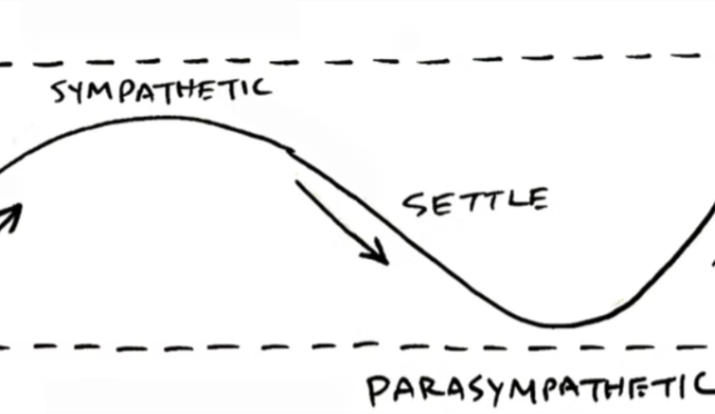
You can't out-work your nervous system
We can only sustain focused attention for so long. Understanding the difference between directed and undirected attention can help us work with our biology rather than against it — creating better focus, recovery and performance for ourselves and our teams.
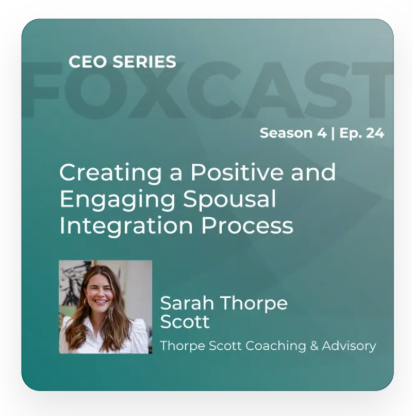
Why Most Prenups Fail Wealthy and Prominent Families: My Interview on FOXcast with Peter Moustakerski, CEO of Family Office Exchange
A prenup protects the capital on paper, but it doesn't integrate the spouse or prepare the couple for life inside significant wealth. On FOXcast with Peter Moustakerski, I talked about why spousal integration is one of the most overlooked risks in enterprising families, and what it takes to get it right.

What We Get Wrong About Conflict, and What to Do Instead
Mediation shows us that most conflict isn’t about what people say it’s about.
Leaders often respond to the ask, not the issue underneath it.
When what’s actually going on becomes visible – not just to you, but to everyone involved – better paths forward emerge.

Why Prenups Are Not Enough in Family Enterprise Systems
A prenup protects assets. It does not clarify expectations, roles, power, or belonging. In family enterprise systems, unspoken assumptions inside marriages quietly erode alignment over time. Legal protection is necessary. Relational clarity is what sustains legacy.

Talking About Money, Success, and the Things That Shape Us
Reflections on family, money, success, and legacy — and why talking openly about wealth, expectations, and values matters more than we think.

What I’ve Clocked…
Here are a few things I’ve been noticing, thinking about, using, or recommending this month…


